
Essential oils are among nature’s most powerful gifts—highly concentrated plant extracts that capture the true essence, aroma, and therapeutic properties of herbs, flowers, seeds, and spices. Used for centuries across cultures, essential oils today play a vital role in wellness, personal care, aromatherapy, cosmetics, pharmaceuticals, and food industries worldwide.
In this blog, we explore what essential oils are, their benefits, popular types, applications, and why sourcing high-quality essential oils matters more than ever.
What Are Essential Oils?
Essential oils are natural, volatile oils extracted from plants through processes such as steam distillation, cold pressing, or solvent extraction. These oils contain the plant’s characteristic fragrance and beneficial compounds.
Key characteristics of essential oils include:
- Highly concentrated and potent
- Strong natural aroma
- Derived from leaves, flowers, bark, seeds, roots, or peels
- Free from synthetic additives when pure
Because of their purity and strength, even a few drops of essential oil can deliver powerful effects.
Why Essential Oils Are in High Global Demand
The global demand for essential oils has grown rapidly due to increasing awareness of natural and plant-based products.
Major reasons include:
- Rising interest in natural wellness and aromatherapy
- Growing demand in cosmetics and skincare
- Increased use in food flavoring and beverages
- Preference for chemical-free and sustainable ingredients
- Expansion of pharmaceutical and nutraceutical industries
Essential oils are now a key component in clean-label, organic, and premium product formulations worldwide.
Popular Types of Essential Oils and Their Benefits
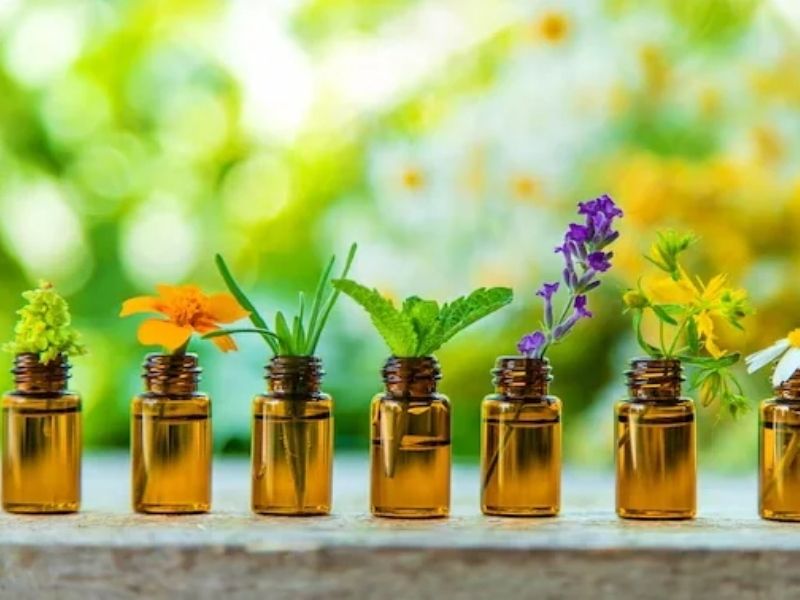
India is one of the world’s leading producers of high-quality essential oils due to its rich biodiversity and favorable climate. Some of the most popular essential oils include:
1. Peppermint Oil
- Refreshing and cooling aroma
- Helps with digestion and headaches
- Widely used in oral care and pharmaceuticals
2. Eucalyptus Oil
- Known for respiratory relief
- Used in inhalers, balms, and cough remedies
- Strong antibacterial and anti-inflammatory properties
3. Tea Tree Oil
- Powerful antimicrobial and antifungal oil
- Common in skincare and hair care products
- Helps treat acne and scalp conditions
4. Lemongrass Oil
- Fresh citrus aroma
- Used in aromatherapy and insect repellents
- Supports stress relief and muscle relaxation
5. Lavender Oil
- Calming and soothing fragrance
- Improves sleep quality and relaxation
- Widely used in cosmetics and spa products
6. Clove Oil
- Warm, spicy aroma
- Known for dental and pain-relief applications
- High demand in pharmaceutical and flavoring industries
Health and Wellness Benefits of Essential Oils
Essential oils have been used in traditional medicine systems like Ayurveda for thousands of years. Their benefits extend across physical, mental, and emotional well-being.
Common benefits include:
- Stress and anxiety reduction
- Improved sleep and relaxation
- Boosted immunity
- Relief from muscle pain and inflammation
- Enhanced focus and mental clarity
When used correctly, essential oils can complement modern wellness routines effectively.
Applications of Essential Oils Across Industries
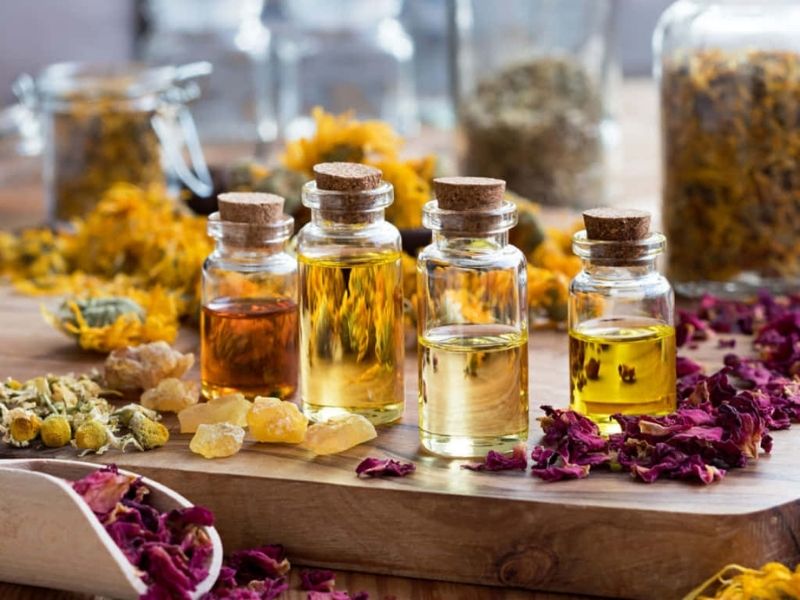
Essential oils are incredibly versatile and used across multiple industries.
Major applications include:
Aromatherapy
- Diffusers and inhalation therapies
- Stress management and mood enhancement
Cosmetics & Personal Care
- Skincare creams and serums
- Shampoos, soaps, and perfumes
Pharmaceuticals
- Pain relief formulations
- Respiratory and digestive medicines
Food & Beverage
- Natural flavoring agents
- Herbal teas and health drinks
Home & Cleaning Products
- Natural disinfectants
- Air fresheners and candles
This wide range of applications makes essential oils a high-demand global commodity.
How Essential Oils Are Extracted
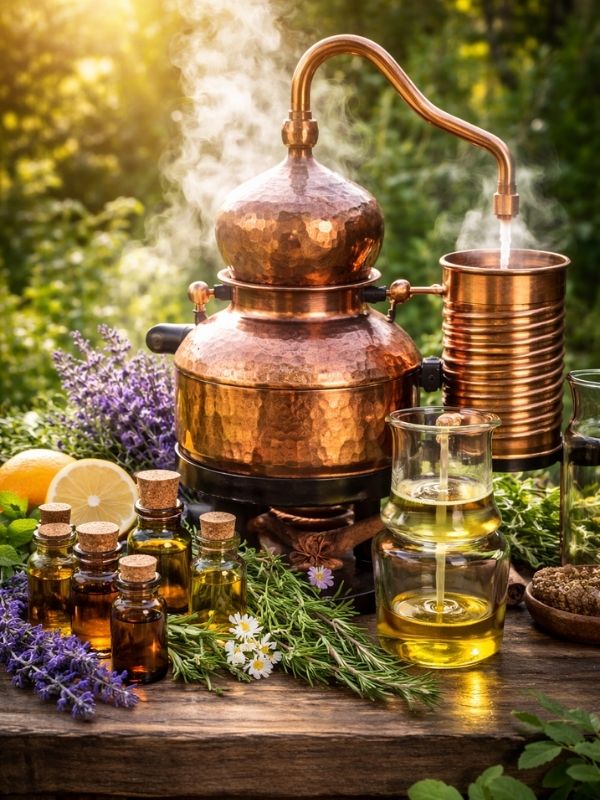
The quality of essential oils depends heavily on extraction methods.
Common extraction techniques include:
- Steam distillation – most widely used and preferred
- Cold pressing – mainly for citrus oils
- Solvent extraction – used for delicate flowers
- CO₂ extraction – advanced method retaining maximum purity
Proper extraction ensures the oil retains its natural aroma, therapeutic value, and chemical composition.
How to Identify High-Quality Essential Oils
With increasing demand, the market also faces challenges of adulteration. Here’s how to identify genuine, high-quality essential oils:
- Clear and natural aroma (not synthetic)
- Proper botanical name on labeling
- No artificial colors or additives
- Suitable packaging in dark glass bottles
- Third-party testing or quality certification
Pure essential oils evaporate cleanly without leaving oily residues.
Importance of Sourcing Essential Oils from Trusted Suppliers
Sourcing essential oils from reliable producers ensures:
- Consistent quality and aroma
- Traceability from farm to extraction
- Compliance with international standards
- Custom packaging and bulk supply options
- Long-term supply stability
Countries like India play a crucial role in supplying authentic, natural essential oils to global markets.
Sustainability and the Future of Essential Oils
Sustainability is shaping the future of the essential oil industry. Ethical farming, eco-friendly extraction, and responsible sourcing are becoming top priorities.
Key future trends include:
- Organic and certified essential oils
- Sustainable harvesting practices
- Increased demand for traceable supply chains
- Innovation in extraction technologies
Consumers and businesses alike are choosing suppliers who prioritize environmental responsibility.
Conclusion
Essential oils represent the perfect balance between nature and science. Their powerful aroma, therapeutic benefits, and wide-ranging applications make them indispensable across industries worldwide. Whether used for wellness, beauty, or manufacturing, high-quality essential oils offer unmatched purity and effectiveness.
Choosing the right source and quality of essential oils ensures long-term value, authenticity, and global trust.